Threading is usually one of the last operations on a part, so a broken tool at this stage can mean scrapping an almost finished part. That is why process security matters as much as productivity in threading.
Techment delivers reliable internal and external threading with taps for blind and through holes, thread mills and thread turning solutions. We choose the best method for your thread profile, tolerance class, material and machine.
- Tap geometries for blind and through holes
- Thread mills that cut several diameters with one tool
- Metric, inch, pipe and special profiles
- Process advice to prevent tap breakage
Types of Threading Tools
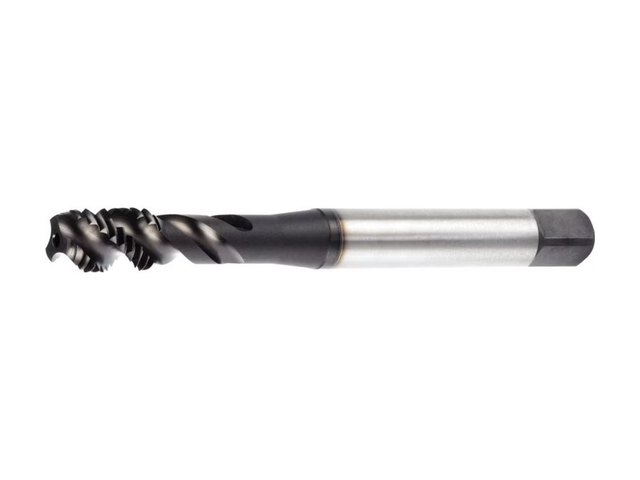
Spiral Flute Taps
Lift chips out of blind holes for secure tapping.
Straight and Spiral Point Taps
Push chips ahead in through holes for high-speed tapping.
Forming Taps
Form the thread without chips; strong, chip-free threads in ductile materials.
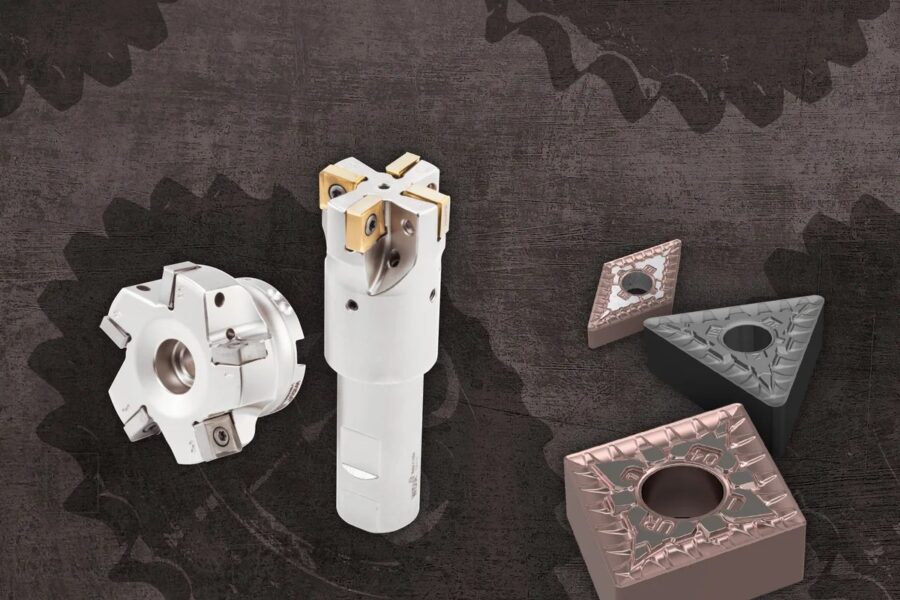
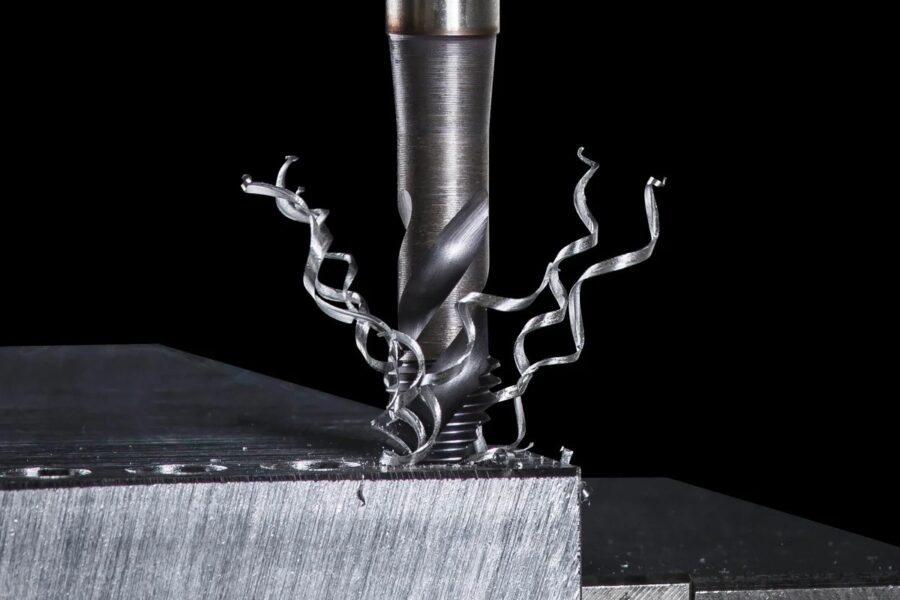
Thread Mills
Internal and external threads in several diameters with one tool; a safe choice in difficult materials and large sizes.
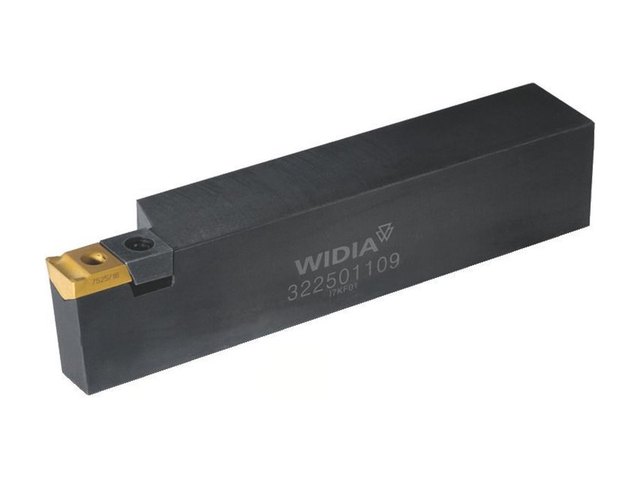
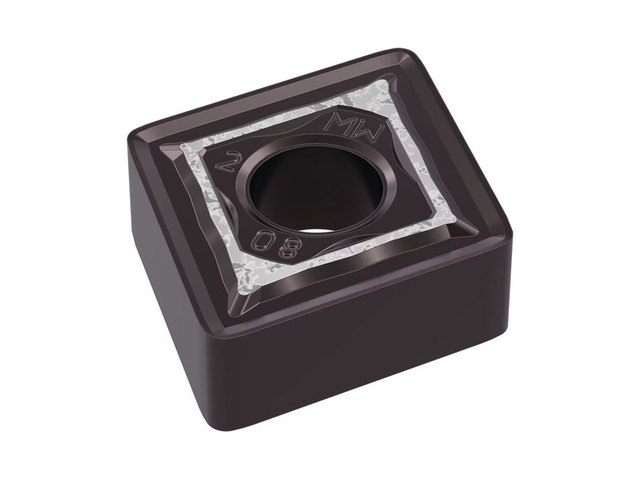
Thread Turning Inserts
For external and internal threading on lathes.
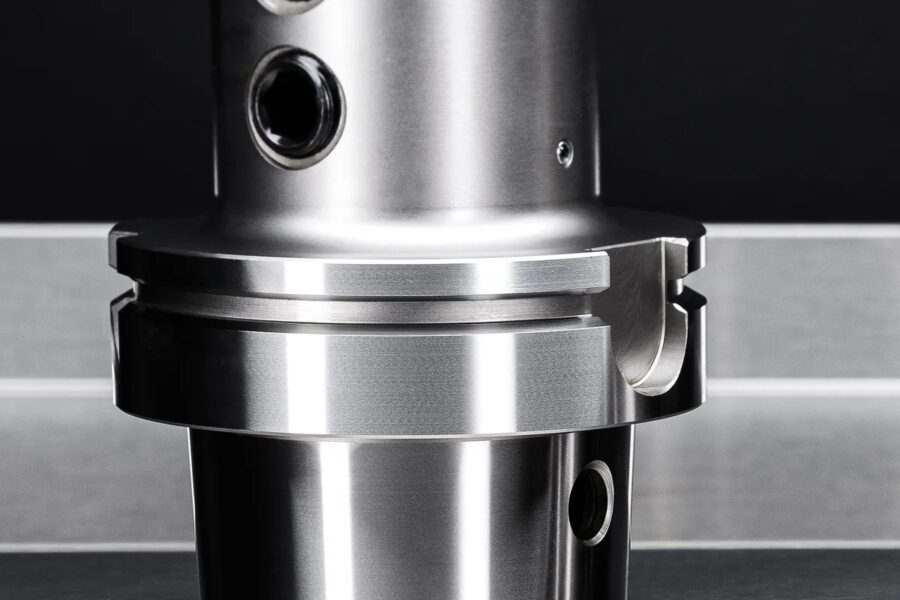
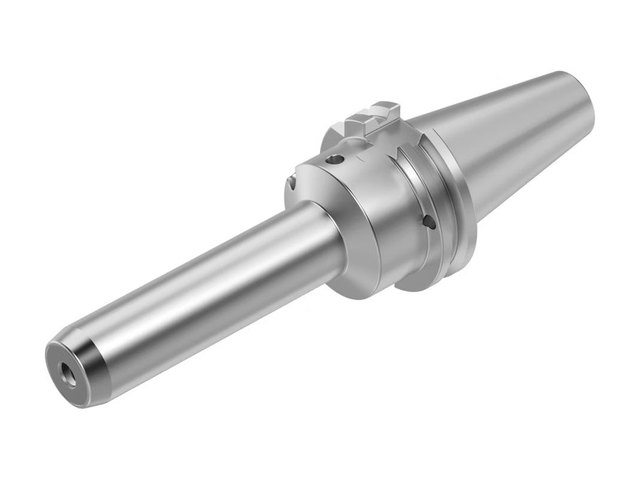
Tapping Chucks
Holders for synchronous and compensating tapping.
Applications
- Automotive and machine parts
- Hydraulic manifolds and fasteners
- Aerospace and defence parts
- Mold mounting holes
- Pipe and valve manufacturing
- Medical implant threads
Workpiece Materials
We offer suitable geometries and grades for every ISO material group.
- PSteel
- MStainless steel
- KCast iron
- NAluminium & non-ferrous
- SSuperalloys & titanium
- HHardened steel
How to Choose the Right Tool
Identify the hole type
Blind or through hole determines the tap flute design.
Define profile and tolerance
Metric, inch, pipe thread and tolerance class drive tool selection.
Assess the material
Forming taps suit ductile materials; thread mills can be better in difficult ones.
Verify drill size and parameters
The correct pre-drill diameter and speed prevent breakage and thread errors.
Frequently Asked Questions
Tap or thread mill?
Taps are fast and economical in high volumes and standard sizes. Thread mills are safer in difficult materials, large diameters or expensive parts where breakage is unacceptable.
Why do taps break?
Wrong pre-drill diameter, chip packing in blind holes, bottoming out, poor lubrication and misalignment are the most common causes.
Can forming taps be used in any material?
No. Forming taps are ideal for ductile materials such as aluminium and low-carbon steel. Brittle materials (e.g. cast iron) need cutting taps. Forming taps also need a different pre-drill size.
How should threads be inspected?
Use go/no-go plug and ring gauges matching the tolerance class.