Indexable Inserts
Indexable inserts in a range of coatings and geometries, selected by material group and operation.
Home / Indexable Inserts
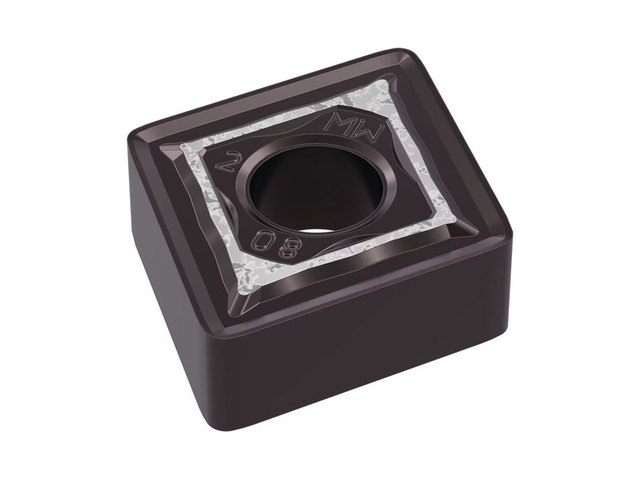
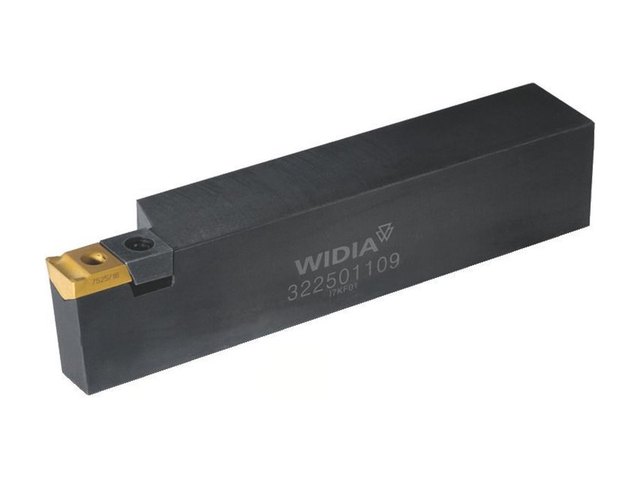
Indexable inserts lower tooling cost in turning, milling and drilling with quick-change, repeatable cutting edges. The right insert comes from the combination of grade, coating and chipbreaker that suits the material, operation and cutting conditions.
With the WIDIA insert programme, Techment offers grades and geometries for every material group, from steel to superalloys. We read the ISO codes together with you and identify compatible, more productive alternatives for your current tools.
- Grades for ISO P, M, K, N, S and H material groups
- CVD and PVD coated, uncoated and cermet options
- Chipbreakers for roughing, medium and finishing
- Equivalents for your current inserts by ISO code
Types of Indexable Inserts
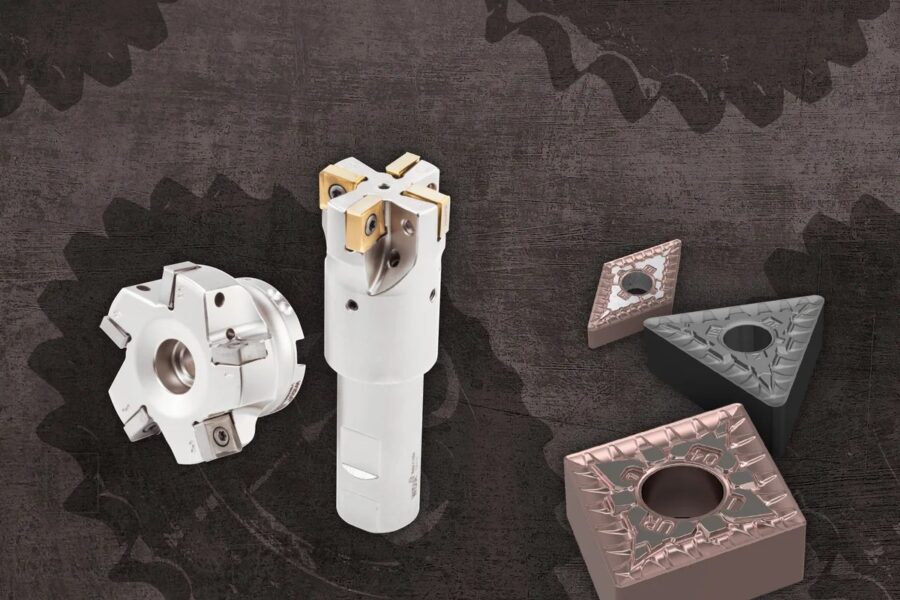
Turning Inserts
Standard shapes such as C, D, S, T, V and W in negative and positive geometries.
Milling Inserts
For face, shoulder, high-feed and copy milling bodies.
Grooving and Parting Inserts
Narrow, precise inserts for grooving, parting and profile turning.
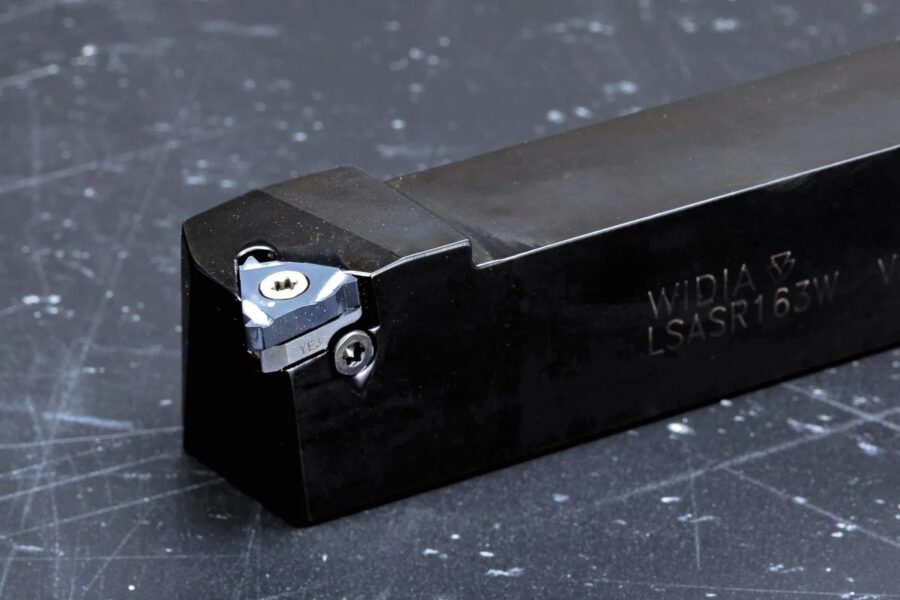
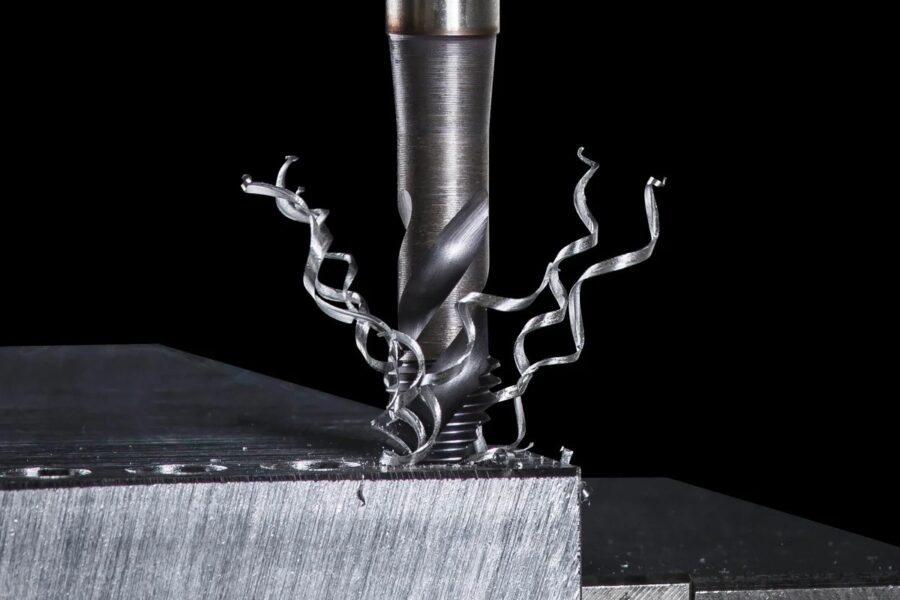
Threading Inserts
Partial and full profile, metric and inch threading inserts.
Drilling Inserts
Central and peripheral inserts for indexable drills.
Cermet and Ceramic Inserts
Special materials for high-speed finishing and hard part machining.
Applications
- High-volume turning
- Heavy roughing
- Stainless and superalloy machining
- Cast iron parts
- Hard part finish turning
- Aluminium and non-ferrous metals
Workpiece Materials
We offer suitable geometries and grades for every ISO material group.
- PSteel
- MStainless steel
- KCast iron
- NAluminium & non-ferrous
- SSuperalloys & titanium
- HHardened steel
How to Choose the Right Tool
Read the ISO code
Shape, clearance, tolerance, size, thickness and nose radius are all in the code.
Identify the material group
P, M, K, N, S or H is the basis for grade and coating.
Define the conditions
Roughing/finishing and interrupted/continuous cuts set grade toughness and chipbreaker.
Choose the nose radius
A large radius gives strength and feed; a small one reduces vibration and gives a precise finish.
Frequently Asked Questions
What does an insert ISO code mean?
In CNMG 120408, for example, C is the shape (80° rhombic), N the clearance (negative), M the tolerance, G the insert type, 12 the edge length, 04 the thickness and 08 the nose radius (0.8 mm).
CVD or PVD coating?
CVD coatings excel in steel and cast iron turning thanks to heat and wear resistance. PVD coatings keep a sharp edge and are preferred for stainless, superalloys and milling.
Can you find an equivalent for another brand's insert?
Yes. Share the ISO code and application details and we will recommend a suitable WIDIA grade and geometry.
Why does my insert break early?
Low grade toughness, interrupted cuts, excessive feed or vibration are the most common causes. A tougher grade or a stronger geometry usually solves it.