Turning Tools
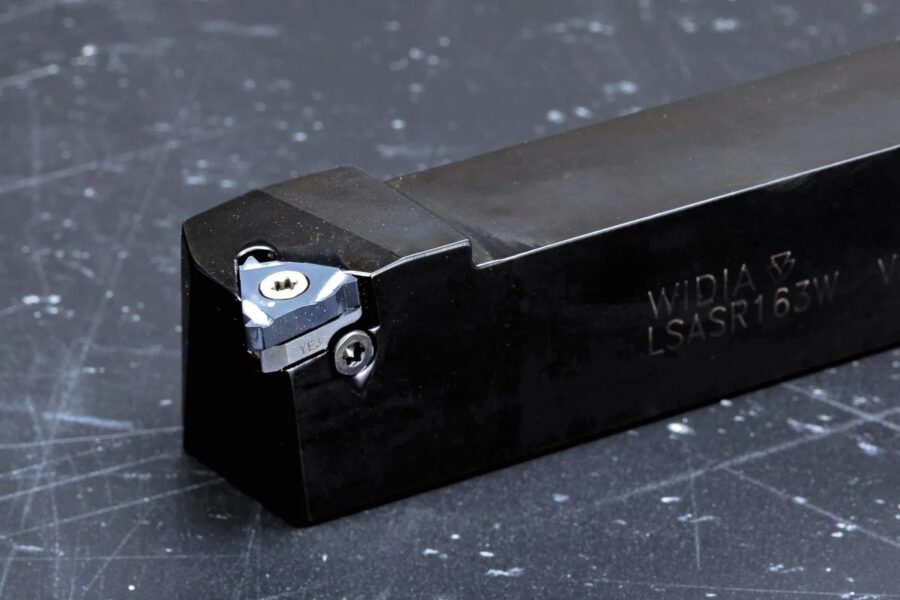
Toolholders and insert systems for external and internal turning, grooving and parting.
Home / Turning Tools
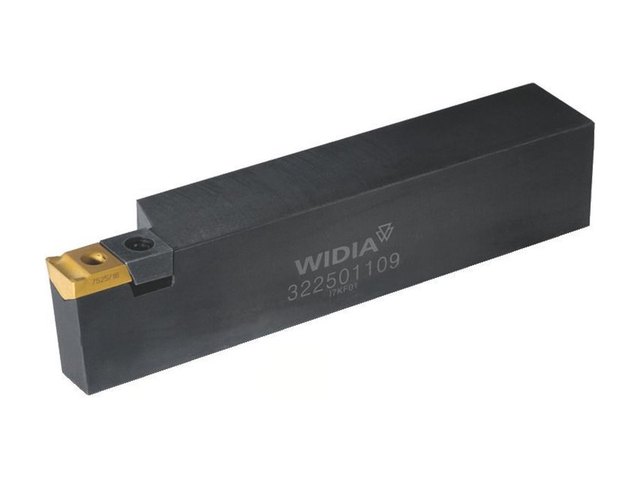
Turning is the core process for rotational parts, covering external and internal diameters, faces, grooves, parting and threads. An efficient turning process relies on selecting the right toolholder and insert together.
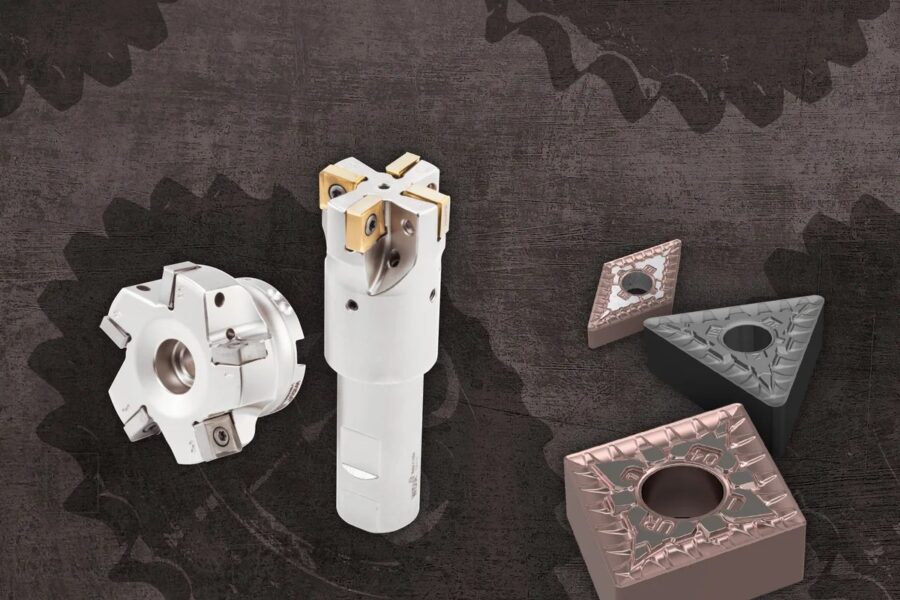
Techment offers WIDIA turning toolholders, boring bar systems and grooving/parting tools as a complete solution for your CNC lathes and mill-turn centres. We define the clamping system, insert type and cutting data for your part geometry, material and machine.
- Toolholder systems for external/internal turning, grooving and parting
- ISO-coded toolholders with wide insert compatibility
- Boring bar solutions that reduce vibration
- Insert recommendations focused on chip control and surface finish
Types of Turning Tools
External Turning Toolholders
For longitudinal and facing, copying and profiling in a range of approach angles.
Boring Bars
Steel, carbide and vibration-damped bars for internal turning.
Grooving Tools
External, internal and face grooving systems with precise width and depth.
Parting-off Tools
Narrow, rigid blades to separate the part from the bar.
Thread Turning Tools
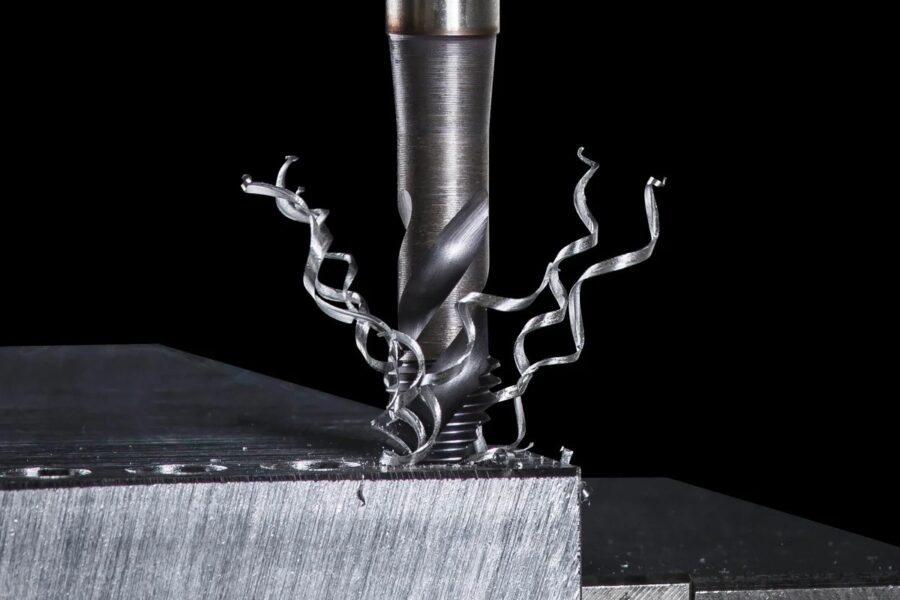
External and internal threading in metric, inch and special profiles.
Modular / Quick-Change Systems
Repeatable clamping systems that cut tool change time.
Applications
- Shafts, flanges and bushings
- Automotive axles and shafts
- Hydraulic cylinders and fittings
- Oil & gas and energy equipment
- Aerospace rotating parts
- High-volume bar turning
Workpiece Materials
We offer suitable geometries and grades for every ISO material group.
- PSteel
- MStainless steel
- KCast iron
- NAluminium & non-ferrous
- SSuperalloys & titanium
- HHardened steel
How to Choose the Right Tool
Define the operation
External/internal turning, grooving, parting or threading sets the holder type and approach angle.
Choose insert shape and size
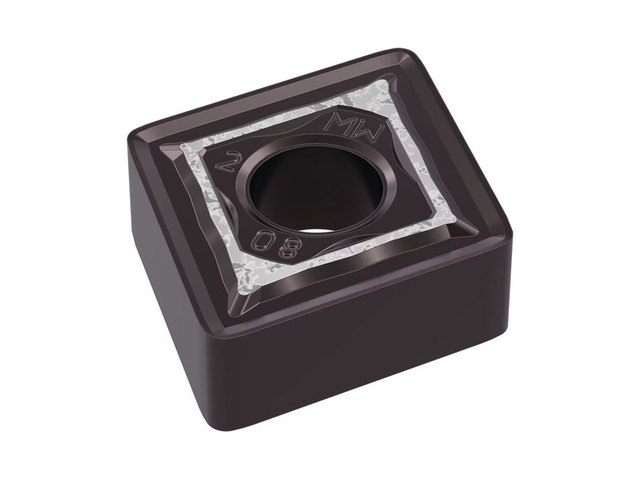
The largest possible nose angle for strength, smaller angles for access.
Pick grade and chipbreaker
ISO material group and depth of cut/feed determine grade and chipbreaker.
Set the cutting data
Speed, feed and depth are balanced for chip control, finish and tool life.
Frequently Asked Questions
What should I consider when choosing a toolholder?
The operation (external/internal, grooving, parting), approach angle, shank size and the machine's clamping system. The ISO code defines the insert shape, clearance angle and size.
How do I prevent vibration in boring?
Keep the bar diameter as large and the overhang as short as possible. For long overhangs, use carbide or damped bars, positive inserts and a small nose radius.
My chips are wrapping. What should I do?
The chipbreaker must suit the depth of cut and feed. Increasing the feed or choosing a more suitable chipbreaker usually solves it.
Why do my grooving and parting tools break?
Common causes are incorrect centre height, long blade overhang, insufficient coolant and not reducing the feed when approaching the centre.