Milling Cutters
Solid carbide end mills, indexable milling cutters and a choice of geometries and coatings for roughing and finishing.
Home / Milling Cutters
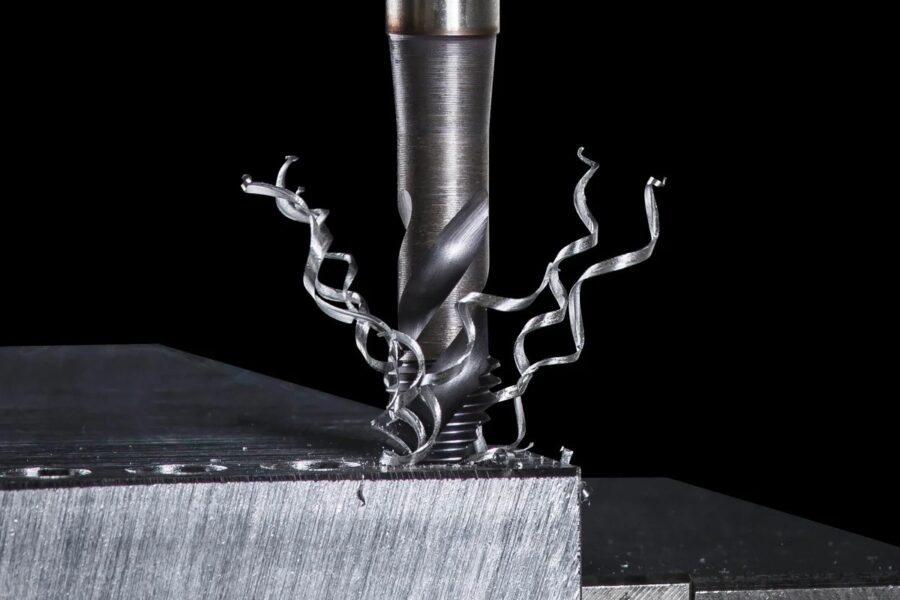
Milling is the core operation for faces, slots, pockets, profiles and 3D forms. The right cutter directly determines metal removal rate, surface finish and cost per part.
With WIDIA solid carbide end mills and indexable milling bodies, Techment covers every milling operation from roughing to fine finishing. We assess your material, machine and workholding together and recommend the best geometry, coating and cutting parameters.
- Solid carbide and indexable options from roughing to finishing
- Geometries for steel, stainless, cast iron, aluminium, titanium and hardened steel
- Variable helix and pitch designs that reduce chatter
- Application-specific cutting data and toolpath advice
Types of Milling Cutters
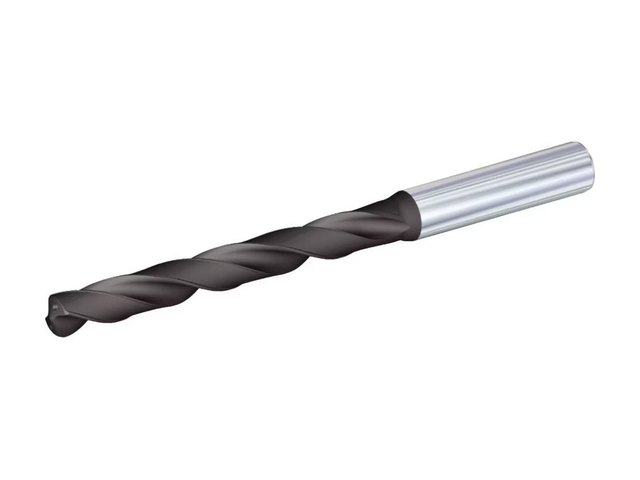
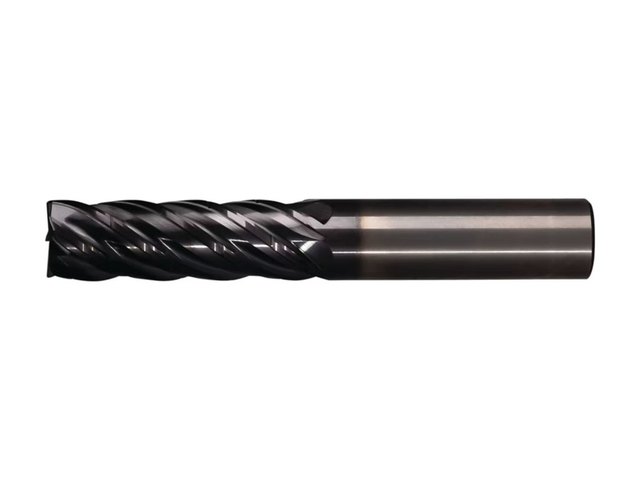
Solid Carbide End Mills
2–6+ flute solid carbide cutters in various helix angles for slotting, pocketing, profiling and contouring.
High-Feed Mills
Small depth of cut at very high feed rates to maximise metal removal in roughing.
Ball Nose and Corner Radius Mills
For fine finishing and copy milling on dies, molds and 3D surfaces.
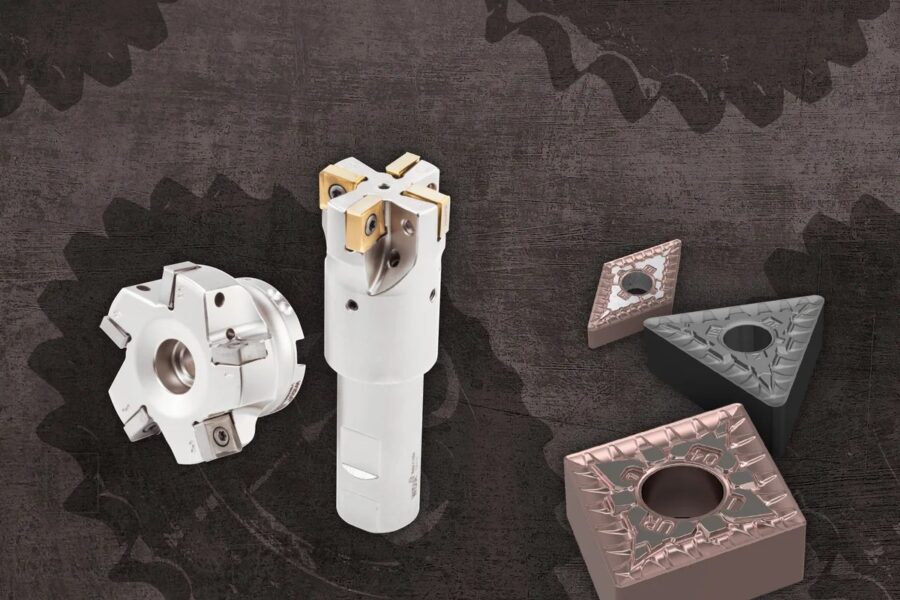
Indexable Face and Shoulder Mills
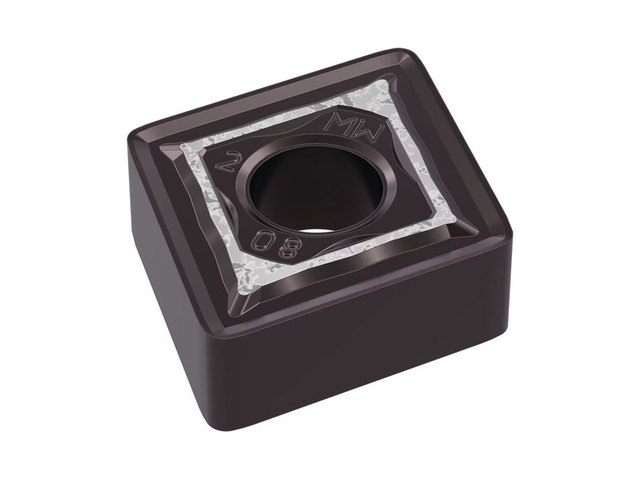
Economical bodies with replaceable inserts for large faces and 90° shoulders.
Slot and Side Milling Cutters
For deep slots, T-slots and side faces.
Chamfer and Form Cutters
For chamfering, deburring and special profiles.
Applications
- Mold, die and tool making
- Aerospace structural parts
- Automotive engine and transmission parts
- General engineering and machining
- Medical implants and surgical instruments
- Energy and defence components
Workpiece Materials
We offer suitable geometries and grades for every ISO material group.
- PSteel
- MStainless steel
- KCast iron
- NAluminium & non-ferrous
- SSuperalloys & titanium
- HHardened steel
How to Choose the Right Tool
Define the material
ISO material group (P, M, K, N, S, H) and hardness are the starting point for geometry and coating.
Define the operation
Roughing, semi-finishing or finishing; slotting, pocketing or facing sets flute count and helix angle.
Check machine and holding
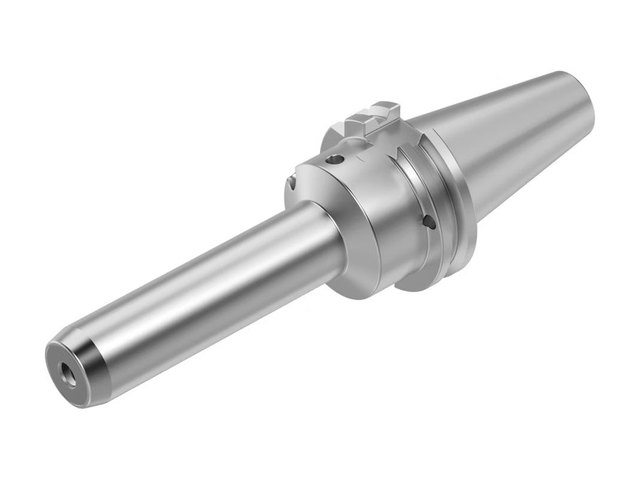
Spindle power, speed limit, tool holder and runout limit the usable parameters.
Optimise the parameters
Cutting speed, feed per tooth and depth of cut are balanced between tool life and productivity.
Frequently Asked Questions
Solid carbide end mill or indexable cutter?
Solid carbide end mills excel at small diameters, tight tolerances and finishing. For large faces and shoulders, indexable cutters are more economical: you replace the worn insert and keep the body.
How do I choose the number of flutes?
For aluminium and other gummy materials, 2–3 flutes give room for chip evacuation. 4 flutes are common in steel and stainless. 5 or more flutes allow higher feed and better finish in finishing and hard materials.
How can I reduce chatter when milling?
Shorten the tool overhang, use a low-runout tool holder and choose variable helix/pitch cutters. Cutting data should also match the rigidity of the machine and workholding.
Can hardened steel be milled?
Yes. Steels of 45–65 HRC can be milled with carbide cutters that have a suitable coating and geometry, using a low depth of cut and high speed strategy. This often reduces the need for grinding or EDM on dies and molds.